Why do protein shake vending machines boost gym revenue?
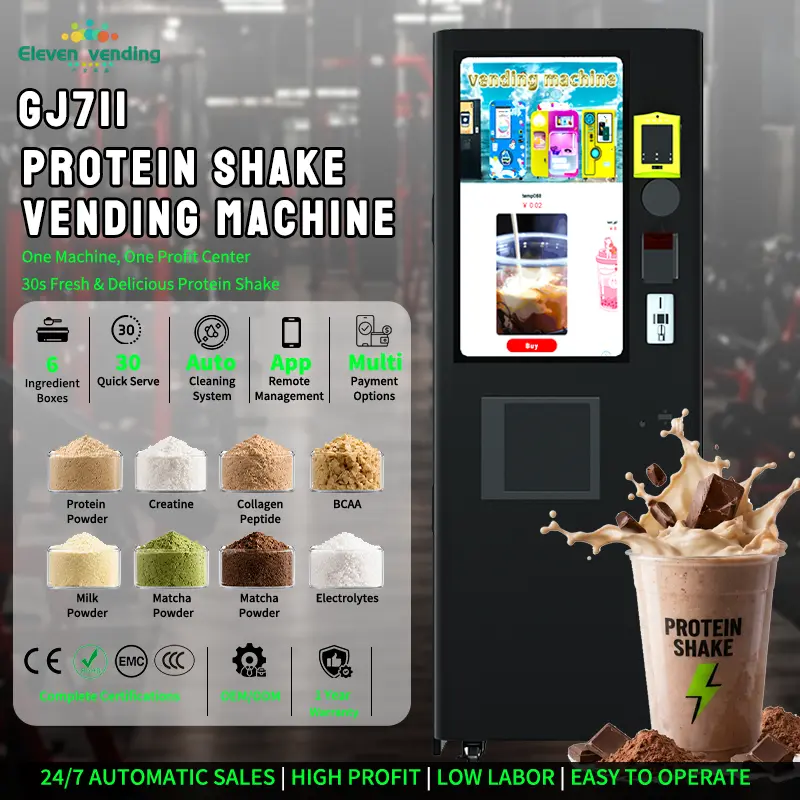
Expanding Fitness Population: With technological advancements, fitness knowledge has become more widely known, and public health awareness continues to rise. More and more people are starting to exercise, whether to improve their physical fitness or sculpt a toned and attractive physique; the number of people engaged in strength training is steadily increasing.
Post-workout protein replenishment is now widely accepted, but consuming protein-rich foods or bringing large containers of protein powder can be inconvenient. Protein powder vending machines, available 24/7 in gyms, offer instant dispensing, eliminating the hassle of bringing your own, cleaning, and shaking cups. Users can also choose flavors and adjust the dispensing ratio to suit their individual needs, making it ideal for immediate post-workout replenishment while also increasing gym revenue.
Gyms have expanded in scale, and most are now open 24 hours a day.The number of 24-hour gyms and other sports venues is increasing; a simple map search for “24-hour gym” yields forty to fifty results. This continuous growth in the number of 24-hour gyms and various sports facilities breaks the traditional operating hour restrictions of gyms, meeting the flexible workout needs of working professionals and those who exercise at night.
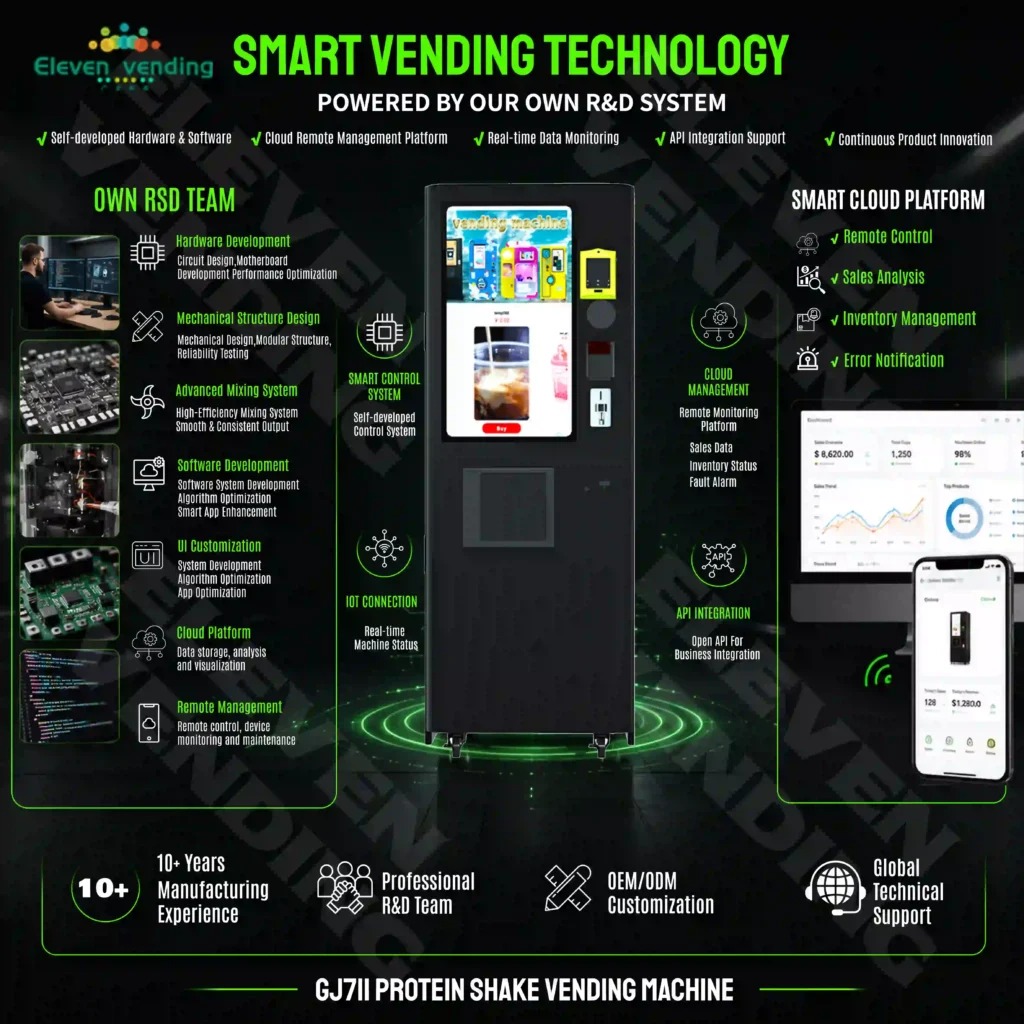
However, these venues often have minimal staff, making it difficult to provide dedicated personnel to prepare nutritional supplements. Protein powder vending machines, which support unmanned operation around the clock, can provide post-workout protein supplements to gym users at any time, perfectly matching the 24-hour workout environment and further promoting the widespread adoption of these devices.
High gross profit margin:Protein powder has low raw material costs, and the selling price of a single cup of finished product is much higher than the cost of the raw materials. Compared with snack and beverage vending machines, the profit margin per item is higher.
We’ve calculated that a 5-pound can of branded protein powder costs approximately $132 on the market, and one drink is about 30 grams diluted in 200 ml of water. Including wastage, 5 pounds of powder would yield about 70 drinks.
Cost per cup = Protein powder ( $1.89) + Water ( $0.05 ) + Cup ( $0.10)+ Electricity cost ( $0.02 )+ Cleaning supplies ( $0.05 )= $ 2.11/cup
$5/cup: 70 cups generated $350 in sales → approximately $192 in profit
$6/cup: 70 cups generated $420 in sales → approximately $260 in profit.
This is calculated based on the highest cost, and there is still a large profit margin.
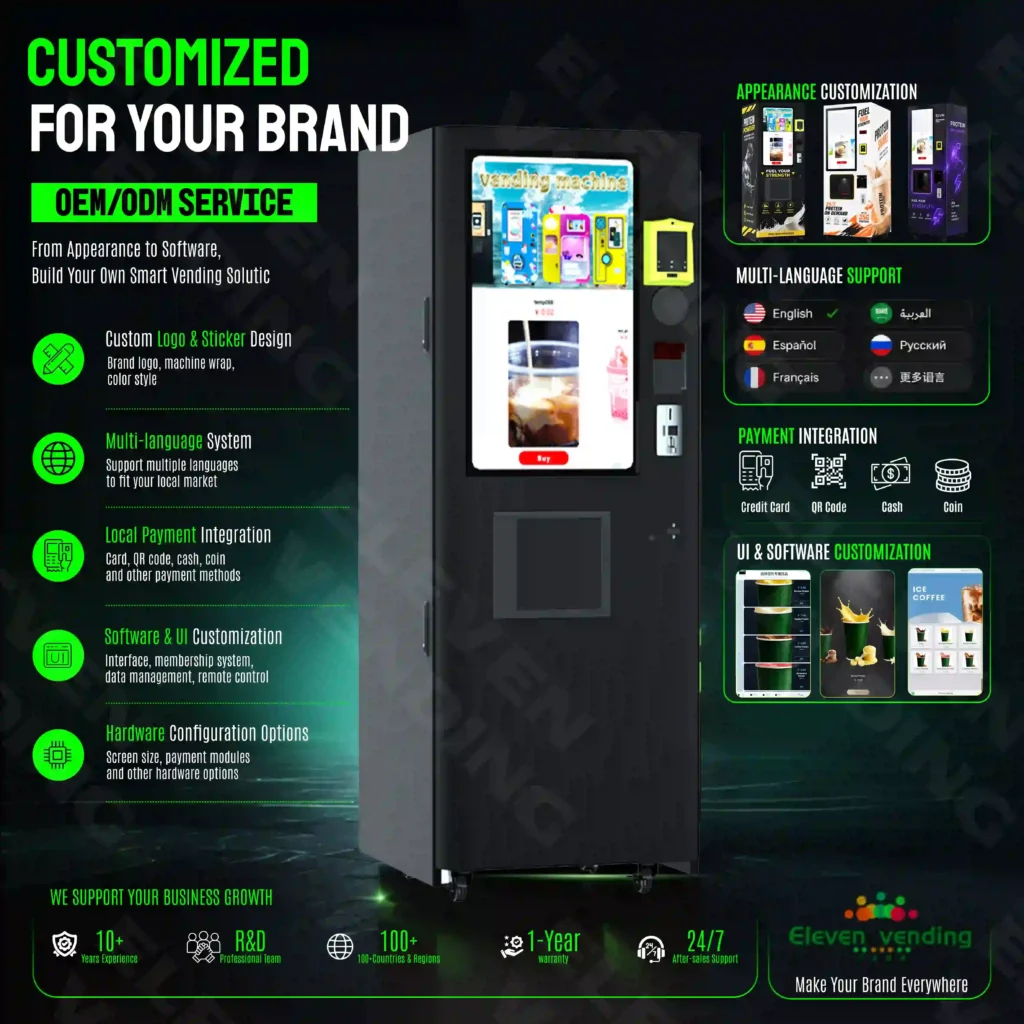
Our protein powder vending machines support customized powder dosage and dynamic pricing. Operators can set standard formulas based on target customers and operational needs, ~와 같은 30 grams of protein powder with 200 ml of water as a basic package. Gym members can also increase the amount of protein powder they use according to their individual needs; for example, the price increases for every additional 5 grams of protein powder. Through this “adjustable dosage, adjustable price” model, we not only meet the personalized needs of different fitness groups but also help operators increase the average transaction value and profit margin.
그러므로, with proper management, protein powder vending machines can indeed help boost gym revenue. We invite you to learn more about our beverage machines.
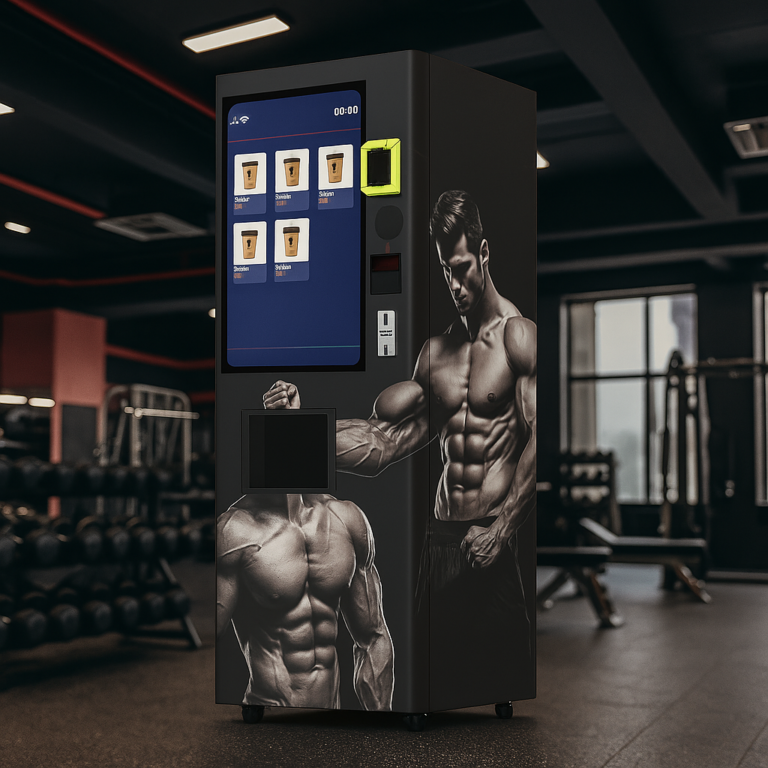
단백질 쉐이크 자동 판매기 란 무엇입니까?? 단백질 쉐이크 자동 판매기는 자체적으로 함유되어 있습니다, 단백질이 풍부한 음료를 혼합하고 제공하도록 설계된 완전 자동화 된 디스펜서. 사전 태어난 쉐이크 대신, 고품질 단백질 분말과 액체와 같은 별도의 성분을 저장합니다 (물, 우유, 또는 플랜트 기반 대안)- 주문을 할 때 정확하게 결합합니다. 사용자는 단순히 선호하는 것을 선택합니다…
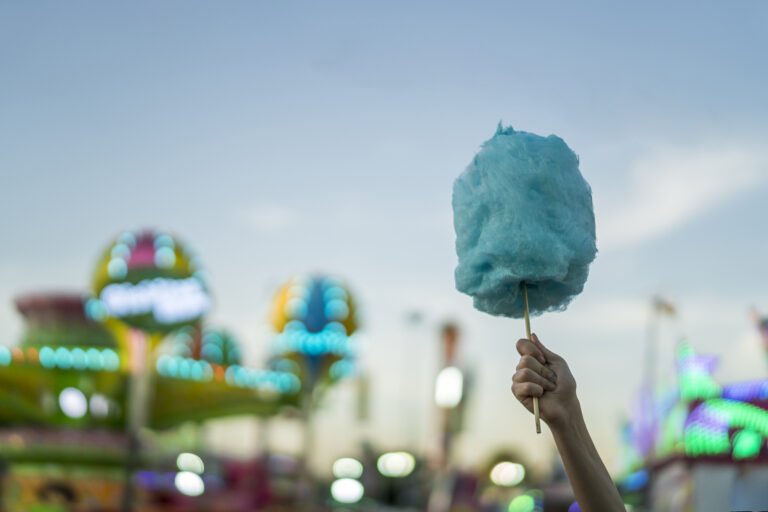
몇 주 전에, 나는 바쁜 쇼핑몰에서 친숙하고 놀라운 것을 우연히 발견했습니다.. 네온 조명과 팝콘의 향기 사이, 일반적인 스낵 디스펜서가 아니라 설탕을 푹신한 핑크색 구름으로 회전시키는 기계가있었습니다.: 솜사탕 판매기. 승무원이 없습니다. 티켓을위한 라인이 없습니다. 단지…
오늘날의 빠르게 진행되는 세상에서, 건강에 민감한 개인은 점점 더 빠른 단백질 분말로 변합니다., 영양 요구를 충족시키는 효과적인 방법. 당신이 피트니스 애호가이든, 바쁜 전문가, 또는 단순히 매일 다이어트를 향상시키려는 사람, 단백질 파우더 자동 판매기의 편의성은 스마트 솔루션을 제공합니다.. 이 기계는 빠른 액세스를 제공합니다…
설탕 페인팅, 전통적인 중국 민속 예술, 수백 년에 걸친 역사가 있습니다. 명나라 왕조가 일찍, 장인들은 시장과 축제에서 기술을 선보였습니다, 부드러운 표면에 핫 설탕 시럽을 사용하여 용을 만듭니다., 피닉스, 물고기, 월경, 그리고 다른 복잡한 디자인. 각 작품은 시각적으로 독특 할뿐만 아니라…
빠르게 진행되는 세상에서 우리는 살고 있습니다, 편의가 핵심입니다. 이 실현으로 인스턴트 커피 자동 판매기의 인기가 높아졌습니다.. 10 년의 경험을 가진 인스턴트 커피 자동 판매기 공급 업체, 이 매혹적인 산업에서 다른 사람들을 안내하는 데 도움이되는 통찰력과 경험을 공유하고 싶습니다.. 이 기사를 통해, 폴링하겠습니다…